Buying guides
EV Scooter Buying Guide for Daily Use in India
Choose an EV scooter around your route, charging access, written quotation and local service, with a checklist you can take to a showroom.
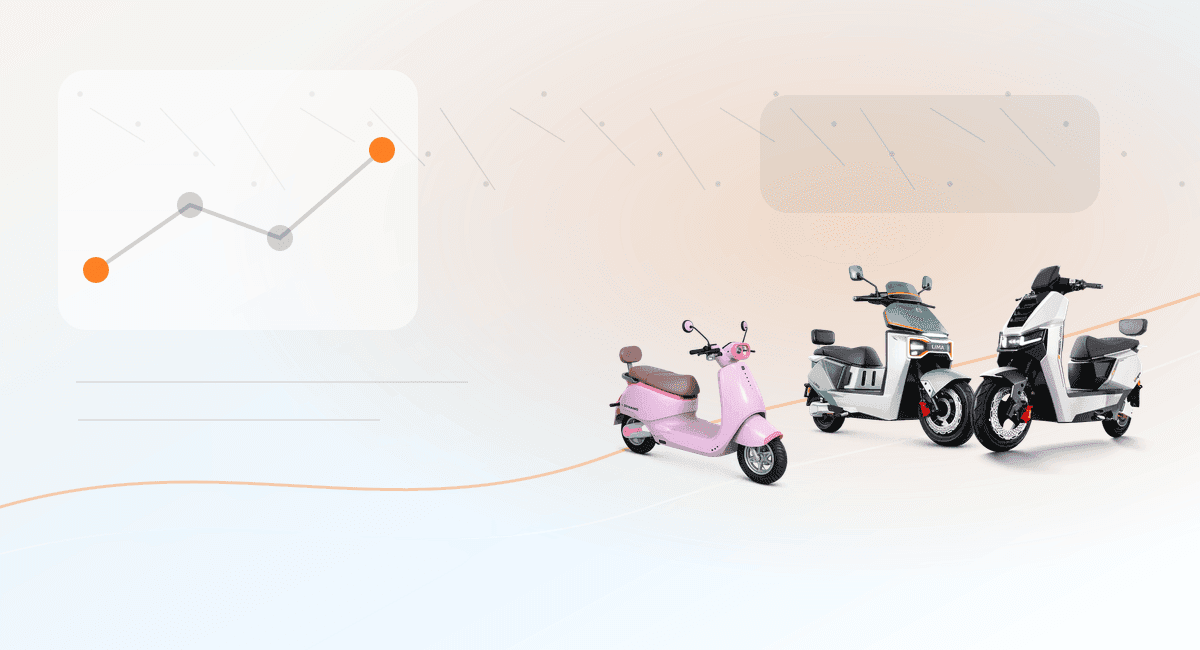
An EV scooter is a sensible shortlist choice when it fits your everyday distance, parking and charging arrangements. Start with those three things, then compare the exact battery variant, a written on-road quotation and service access. The longest advertised range is not automatically the right purchase.
Write down a normal week before comparing models
Record your home-to-work return journey, school or shopping stops and the longest regular trip. Include a second rider if the scooter will be shared. A route that looks short on a map can involve steep parking ramps, slow traffic or repeated stops that matter during a test ride.
Use your actual routine rather than a salesperson's ideal example. If your schedule changes during the week, plan around the demanding day, not only the average. Our everyday range guide explains how to ask useful questions about a range claim.
| Decision | What to write down | What to ask the dealer |
|---|---|---|
| Daily distance | Return trip plus regular detours | Which exact variant suits this route? |
| Charging | Parking position and socket access | Is the supplied charger suitable here? |
| Shared riding | Rider heights and pillion needs | Can both riders try the demo scooter? |
| Ownership | Local service and expected use | Where are warranty claims handled? |
Resolve charging before paying a booking amount
Identify the parking bay where charging would actually happen. A socket on another floor is not a complete charging plan. In an apartment, ask the building manager about permission, cable routing and electricity billing; have the electrical installation assessed by a qualified professional.
Do not assume a public charger with a familiar-looking plug will work with every scooter. Check the vehicle and charger manufacturer's compatibility instructions. Read the home and apartment charging checklist before arranging equipment.
Compare the complete quotation
Ask for the vehicle variant, battery option, charger, insurance, registration where applicable, accessories and any optional plan to be itemised. Confirm which items are compulsory and which you can decline. For finance, ask for the financed amount, interest basis, processing charges and total amount payable, not just an attractive monthly instalment.
Electricity is only one ownership expense. Tyres, insurance, service, financing and eventual component replacement also belong in your budget. The charging-cost example shows how to calculate energy spending without treating it as the entire cost of ownership.
Test the scooter you intend to buy
Confirm the demo model's battery, variant and accessories. Check whether you can comfortably put a foot down, move the scooter while parked, reach the controls and use the storage you need. Ask for a normal, authorised test route; do not attempt speed or emergency-braking experiments on public roads.
Before leaving, request the vehicle, battery and charger warranty documents. Note the service contact and the documents required for a claim. Use our test-ride checklist to keep the visit focused.
Which scooter should I choose for daily use?
Shortlist the models that meet your route and charging needs, then choose after checking comfort, the written price and support. A family sharing one scooter may put ease of handling ahead of extra features; a commuter with limited charging time may make a different trade-off. There is no honest universal winner without knowing the rider.
Start with the Dynamo scooter catalogue, then contact a nearby dealer to confirm current availability. This guide is published by Dynamo EV and is buying guidance, not an independent road test.