Ownership
EV Scooter Charging Cost: A Worked Example
Calculate scooter charging costs using electricity measured at the socket, your tariff and distance ridden, with every example assumption stated.
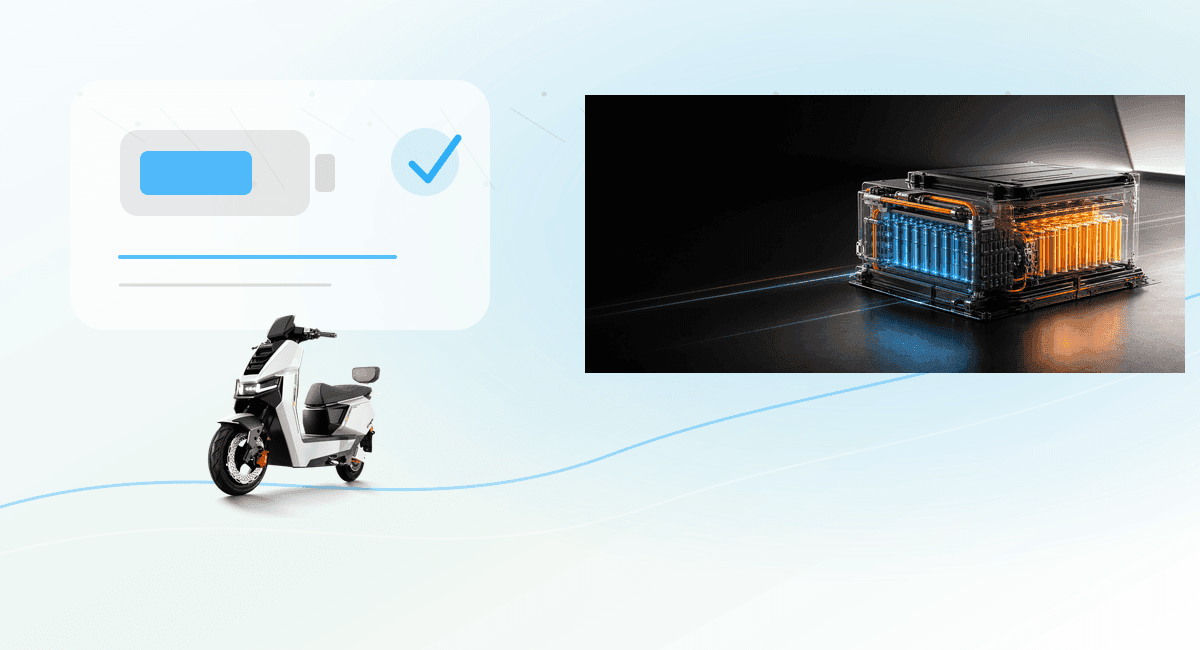
Electric scooter charging cost is the electricity drawn from the socket, in kilowatt-hours, multiplied by your applicable electricity rate. For cost per kilometre, divide that spending by the distance ridden over the same period. Battery capacity alone does not tell you the exact electricity bill.
The numbers below are an arithmetic example, not a Dynamo specification, a quoted electricity tariff or a promise of savings. Replace every assumption with your own readings. Public charging fees, fixed electricity charges and local billing arrangements can differ from a simple per-unit home tariff.
Use electricity input, not just the battery label
A battery's rated capacity describes the battery, while a meter measures energy supplied to the charging setup. The two are not interchangeable billing readings. For a useful estimate, record charging energy over several ordinary journeys using suitable metering installed or approved by a qualified professional.
Do not modify a charger or improvise mains wiring to collect data. If your building provides a charging bill, ask whether it measures electricity alone or includes a service fee. Use the total amount you actually pay when calculating personal running cost.
A transparent monthly example
Suppose a rider travels 30 km per day for 30 days. Assume each charging session supplies 2 kWh measured at the socket and supports 60 km of that rider's travel. Use an illustrative tariff of Rs 8 per kWh.
| Step | Calculation | Example result |
|---|---|---|
| Monthly travel | 30 km x 30 days | 900 km |
| Equivalent sessions | 900 km / 60 km | 15 |
| Electricity input | 15 x 2 kWh | 30 kWh |
| Energy spending | 30 kWh x Rs 8 | Rs 240 |
| Energy cost per km | Rs 240 / 900 km | About Rs 0.27 |
Real charging sessions need not start and end at the same battery level. For that reason, a longer observation period can be more useful than assigning a fixed distance to one top-up. Record starting and ending charge levels and keep the distance and energy periods aligned.
Keep a simple monthly record
- Note the odometer at the beginning and end of the period.
- Add the metered energy used for scooter charging during that period.
- Apply the relevant billing rate or use the actual charging charges.
- Keep public sessions and building service fees visible as separate entries.
- Repeat when your route, tariff or riding pattern changes.
If the scooter is shared, record all journeys rather than only one rider's commute. If you cannot isolate charging electricity from other household use, label your result as an estimate instead of presenting false precision.
Energy cost is not total ownership cost
Insurance, financing, tyres, service, accessories and component replacement do not disappear because the energy figure is small. Compare total quotations first and avoid subtracting hypothetical petrol spending without stating the petrol vehicle's fuel economy, fuel price and distance assumptions.
The Bureau of Energy Efficiency's EV resources provide a starting point for official charging and ownership information. Check your electricity provider's current tariff separately.
What should I ask before buying?
Request the approved charger information and the exact battery variant, then check whether your home charging arrangement is suitable. Use our daily-use buying guide for the rest of the decision. When reviewing Dynamo scooters, confirm model-specific details with the dealer instead of applying this example to every scooter.